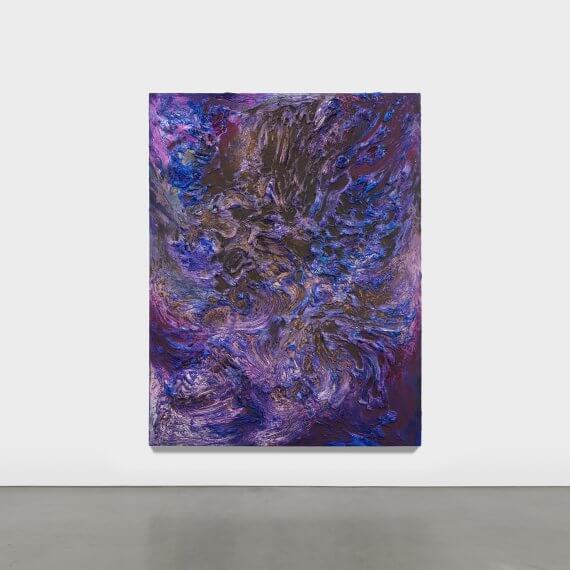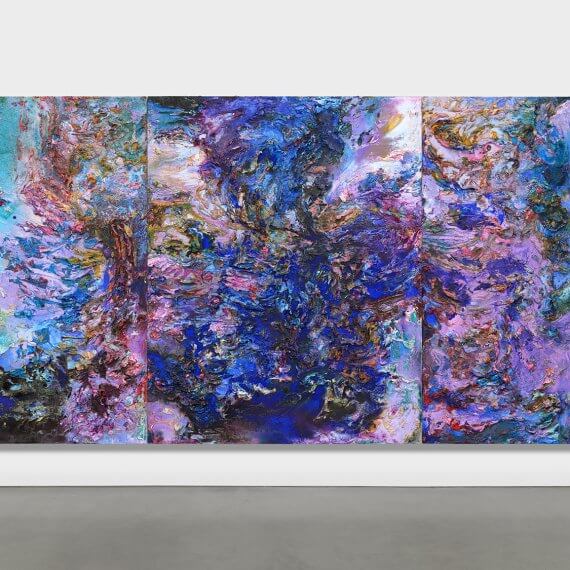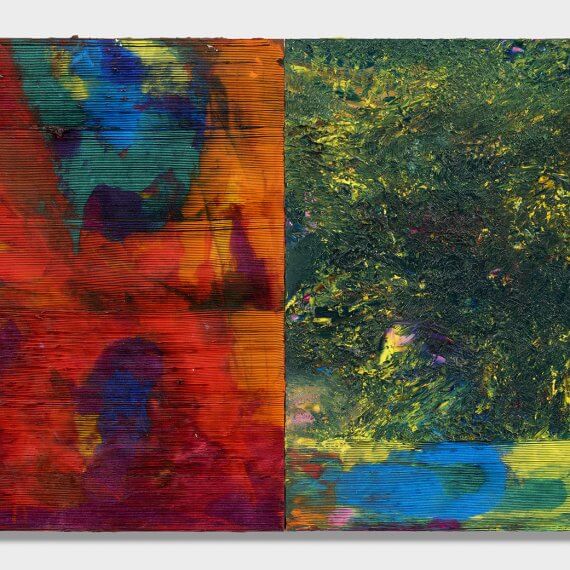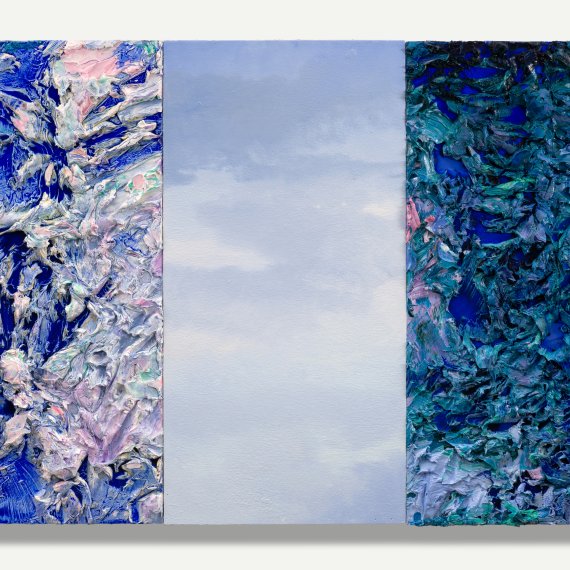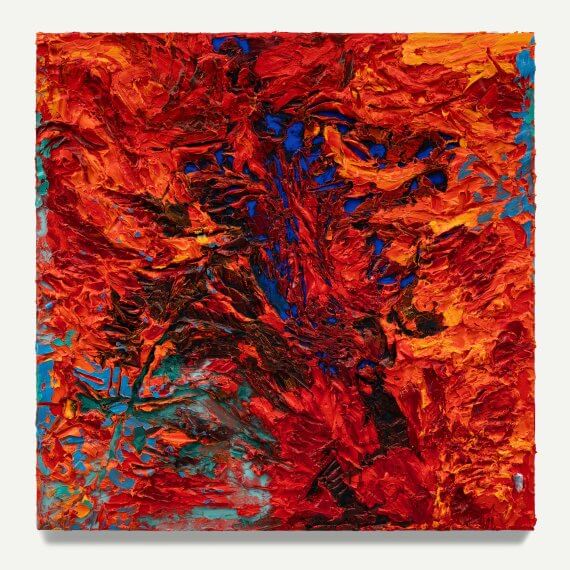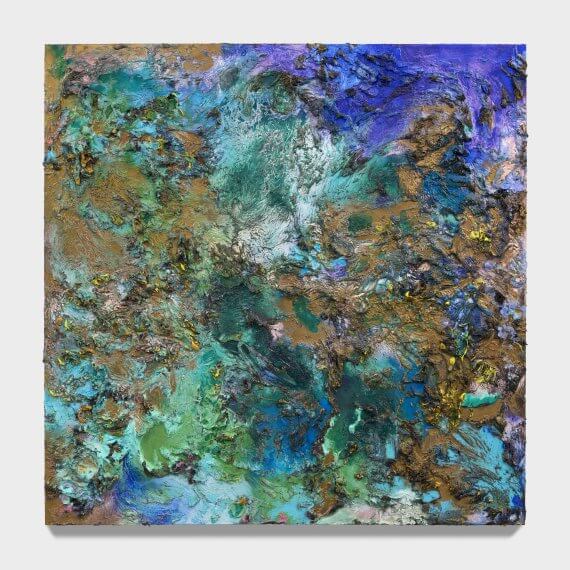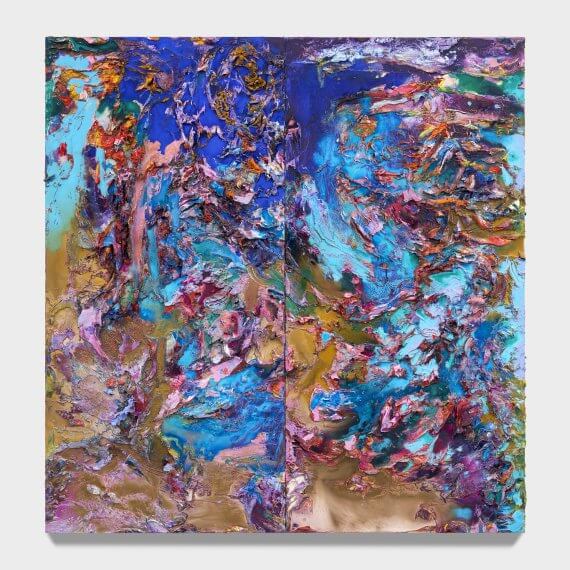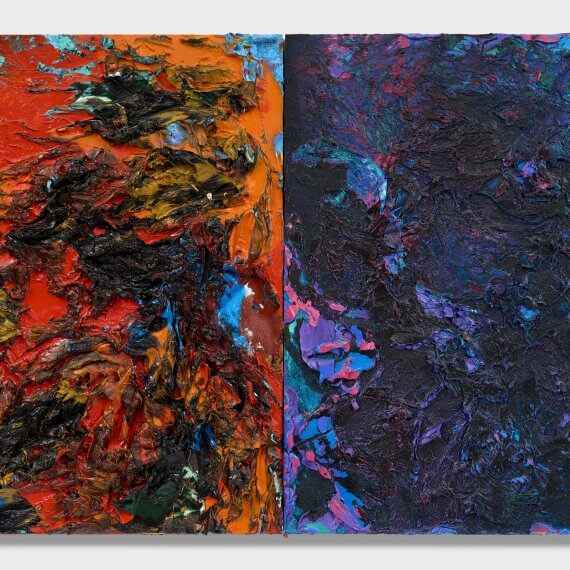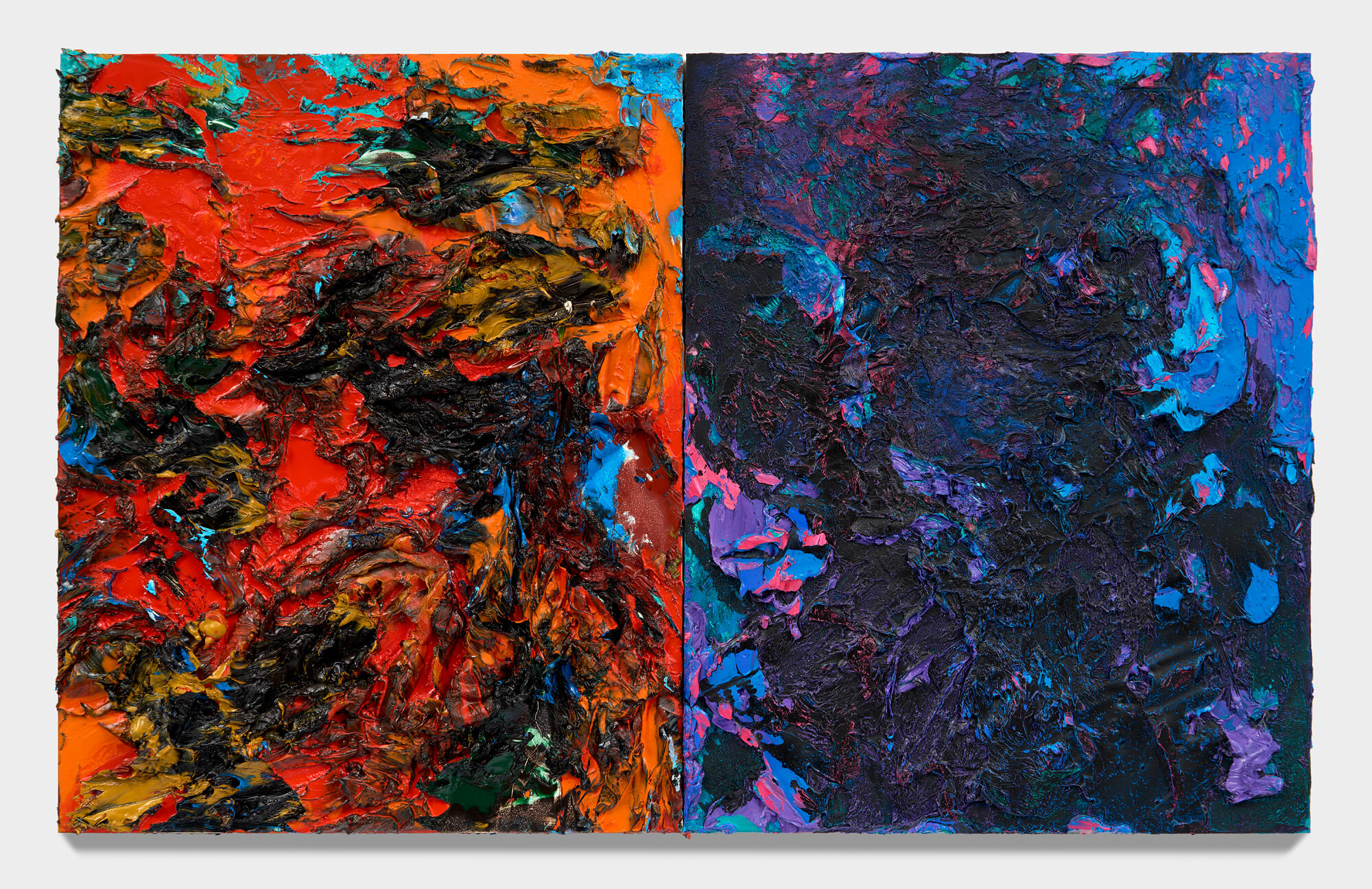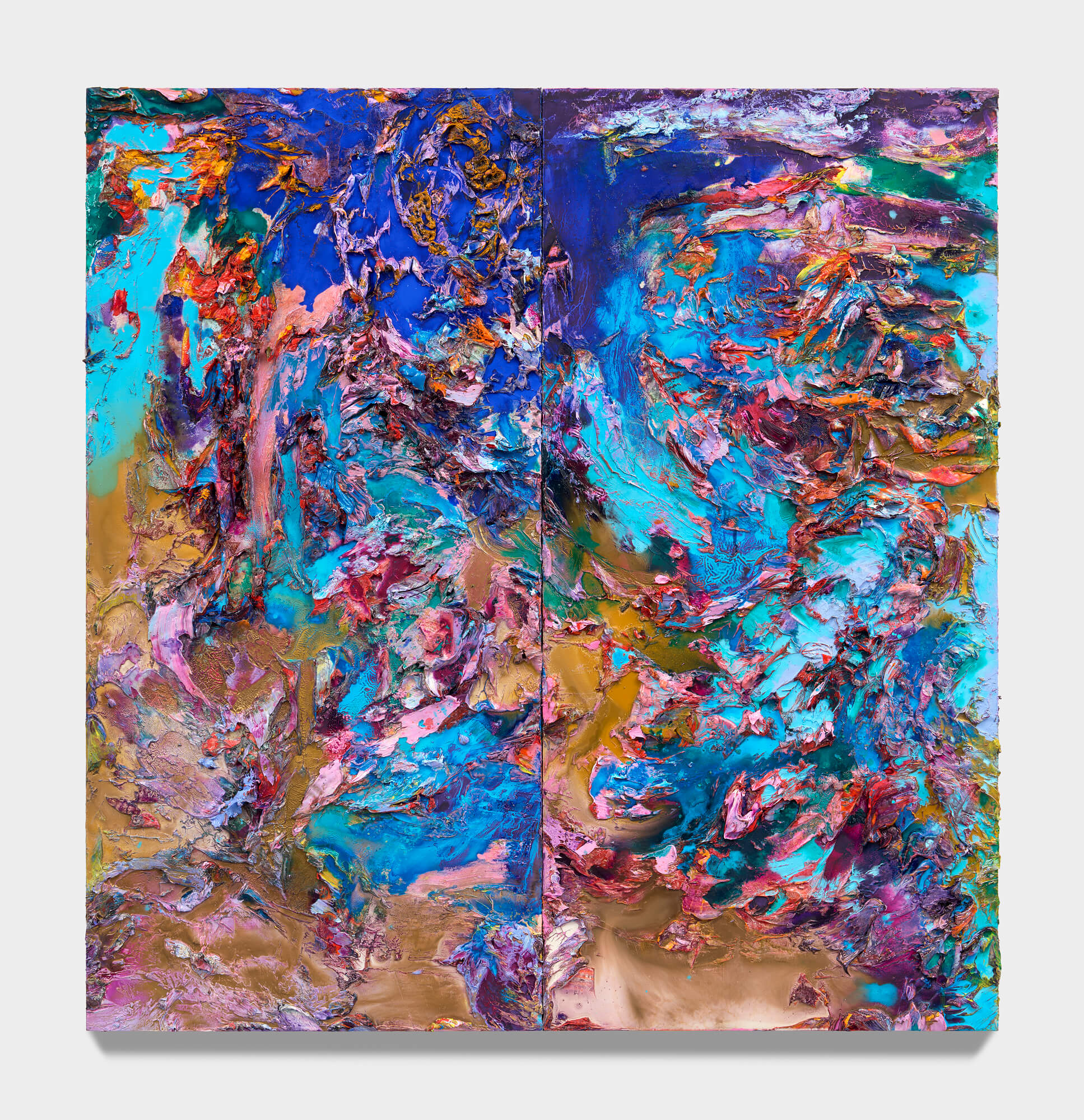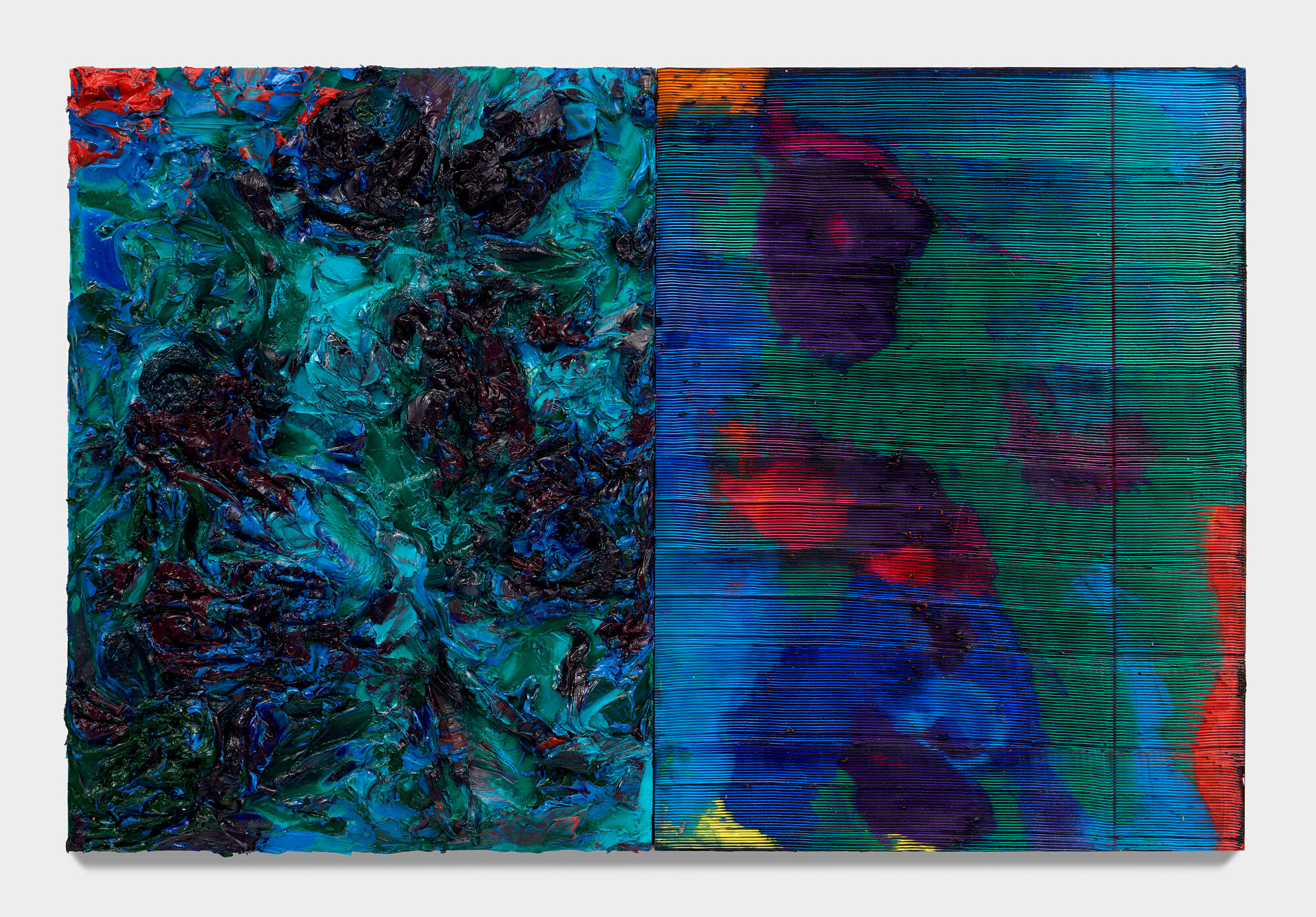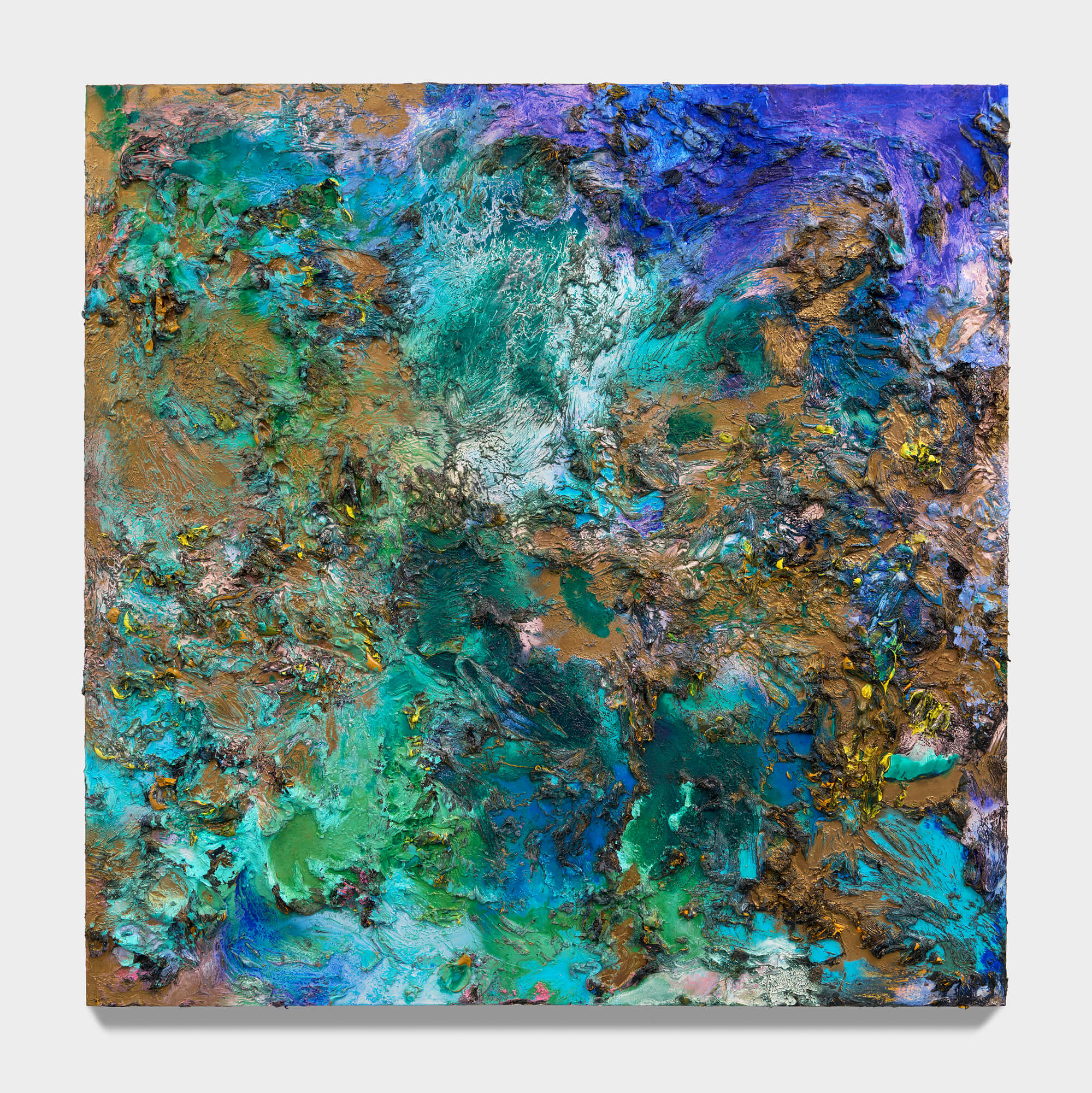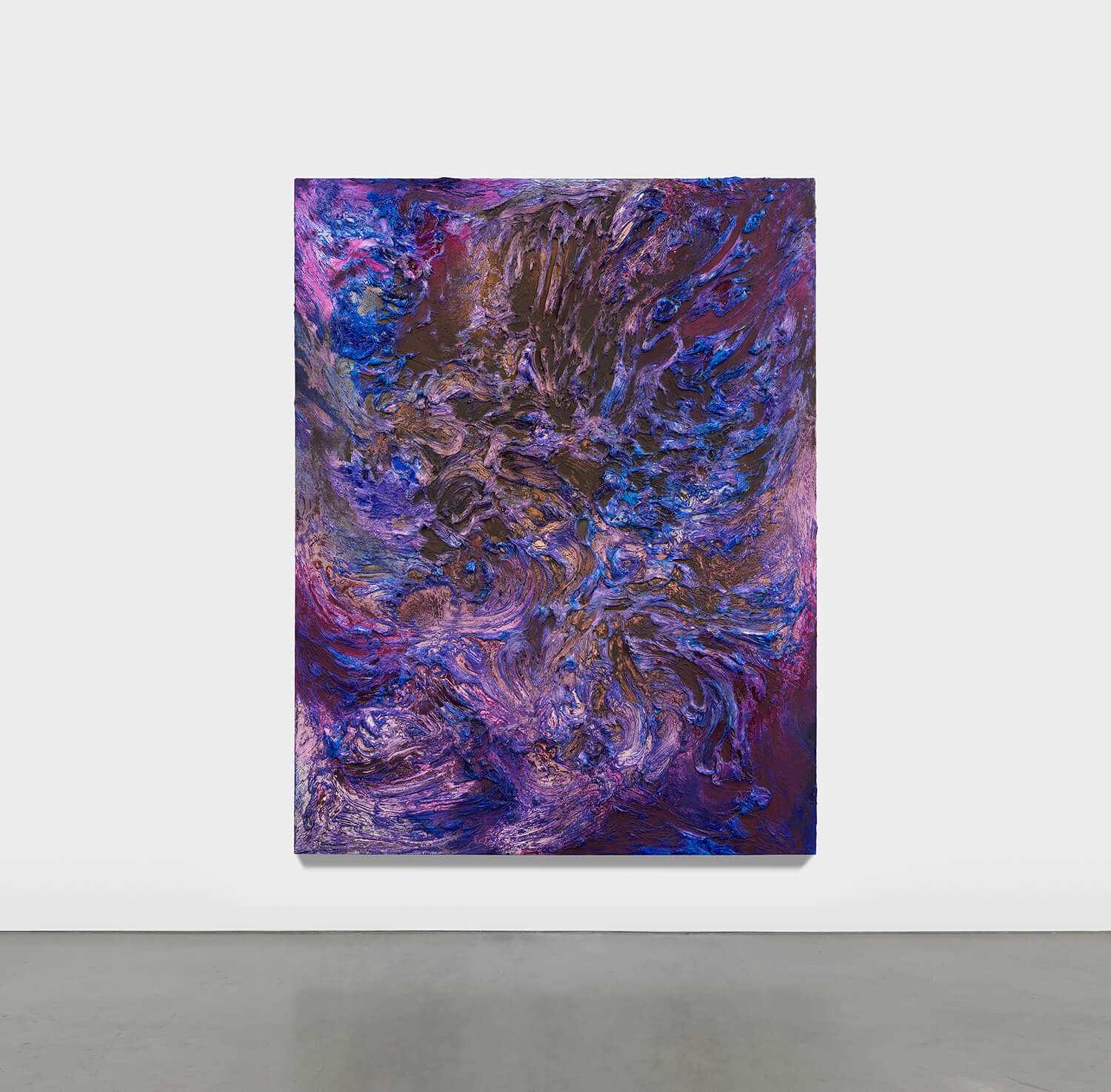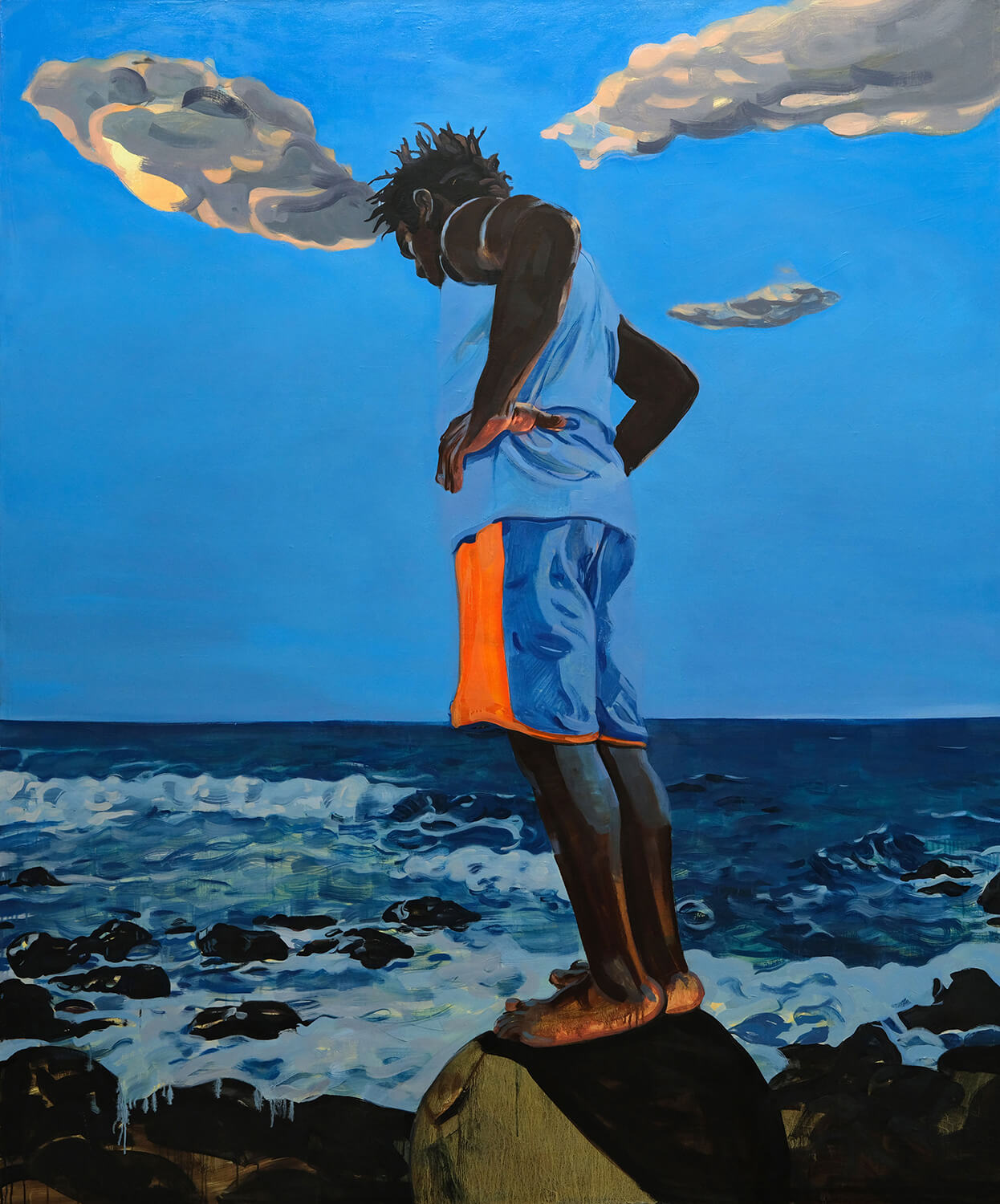
Tajh Rust, Rückenfigur III, 2025, oil and acrylic on canvas, 72 x 60 in. (182.9 x 152.4 cm.)
March 5-April 1, 2026
Alexander Berggruen is pleased to present our first solo show with Tajh Rust. This exhibition will open Thursday, March 5, 2026 with a 5-7 pm reception at the gallery (1018 Madison Avenue, Floor 3, New York, NY).
Tajh Rust
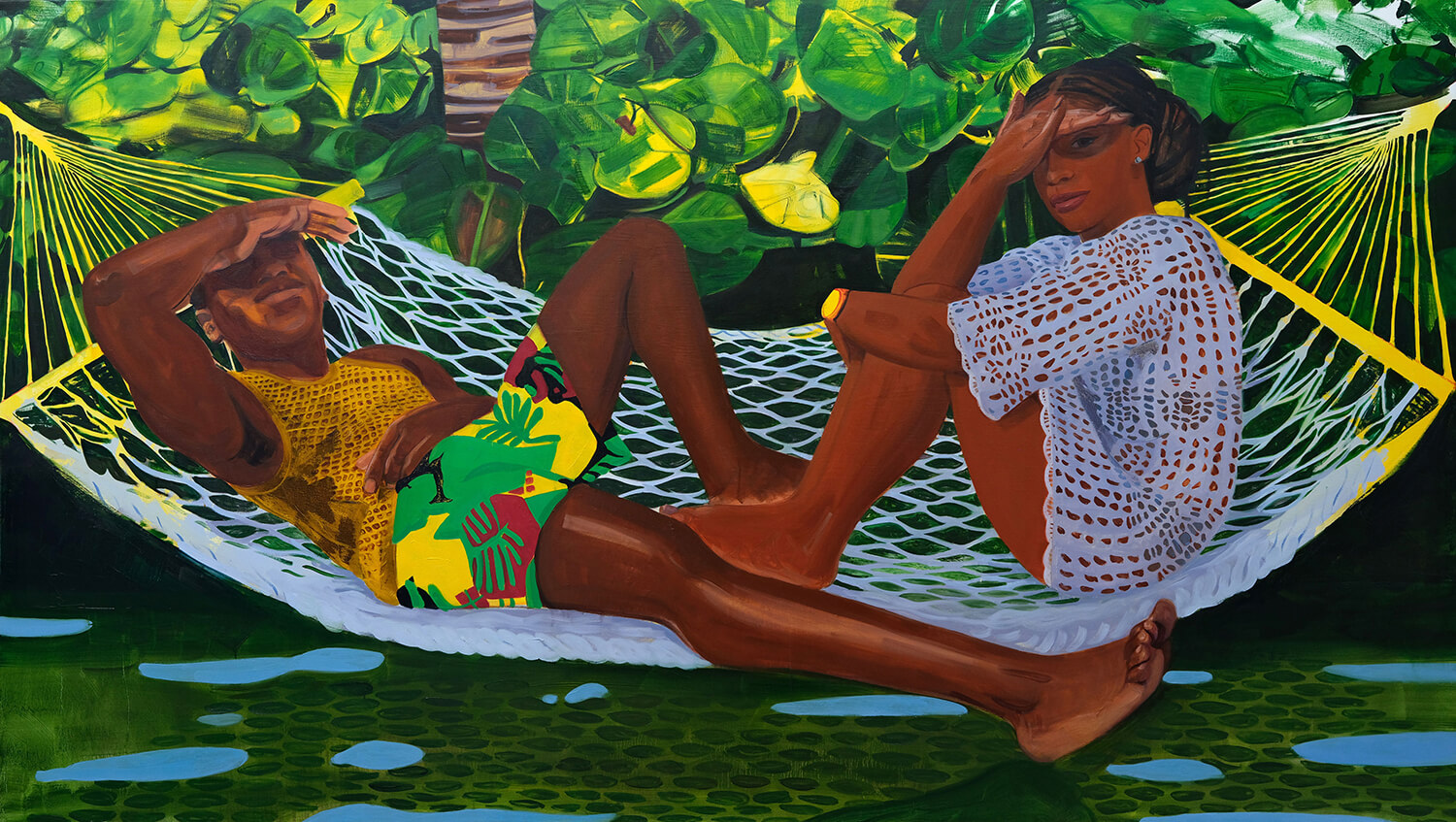
Meshes, 2026
oil on canvas
48 x 84 in. (121.9 x 213.4 cm.)
Tajh Rust’s paintings depict primarily Black fictional figures in leisurely settings, with particular attention to storytelling, pattern, and environment. Rooted in questions of representation, Rust explores varied painterly ways to rendering figures and their environments. Through this inquiry, he points to the reciprocal effects between subject and environment. Across silvered glass and paintings on canvas, How to Disappear reflects a meditative stance on finding unity with one’s environment.
The exhibition takes as its starting point the painting Rückenfigur III. The work collapses the art historical concept of the Rückenfigur—most closely associated with Casper David Friedrich—with a scene of a fisherman Rust witnessed during his Black Rock residency in Senegal. In Rust’s rendition, the horizontal line where the figure’s shirt meets his shorts aligns with the horizon of the sea. The figure merges with the seascape as his blue clothing mimics the textures and colors of the sea and sky.
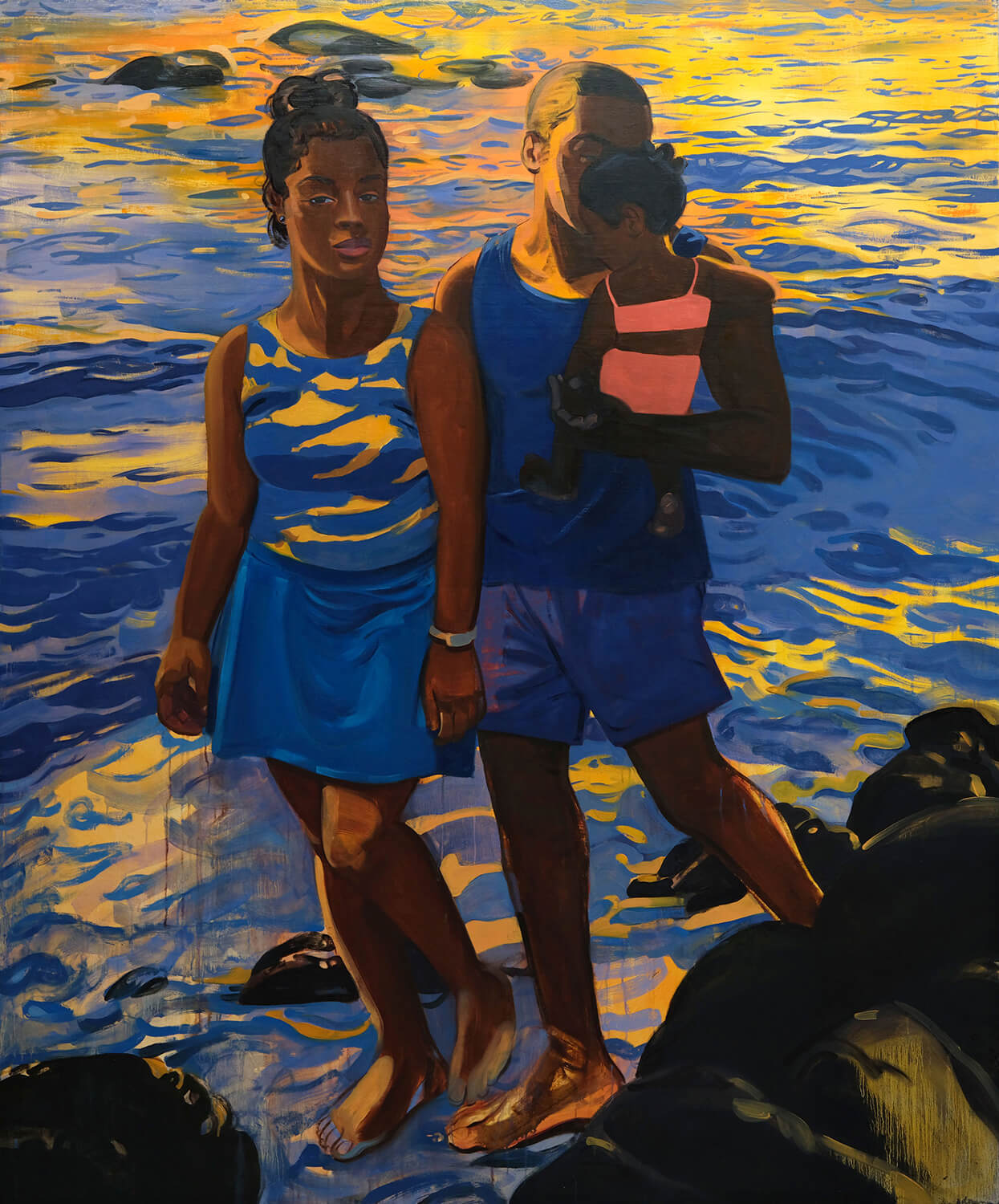
Tajh Rust
Holding On (Reprise), 2026
oil on canvas
72 x 60 in. (182.9 x 152.4 cm.)
Throughout How to Disappear, the colors and patterns of the environment are echoed in the figures’ attire. For instance, in the nocturne Once in a Blue, a swimming pool is rendered with confident, wide brushstrokes that capture light skimming across the water. The foremost figure wears swim trunks that depict water differently: here, it appears as undulating blue lines across a field of white. The chain-link fence surrounding the pool recalls a pixelated image. Rust repeats and emphasizes this grid-like pattern in Meshes: the patchwork of the rope hammock is reflected literally in the watery ground below and metaphorically in the crocheted garments worn by the two figures. Meanwhile, in the silvered glass works, the line quality used to render the figures echoes the rippling lines that depict water.
The silvered glass works employ mirrored surfaces to depict figures floating in water. Each viewer’s experience inherently reflects their own image, implicating them in the act of disappearance—of both the painted subject and themselves. Reflecting the paintings on canvas hung alongside them, the mirrored works further obscure the figures presented elsewhere in the exhibition.
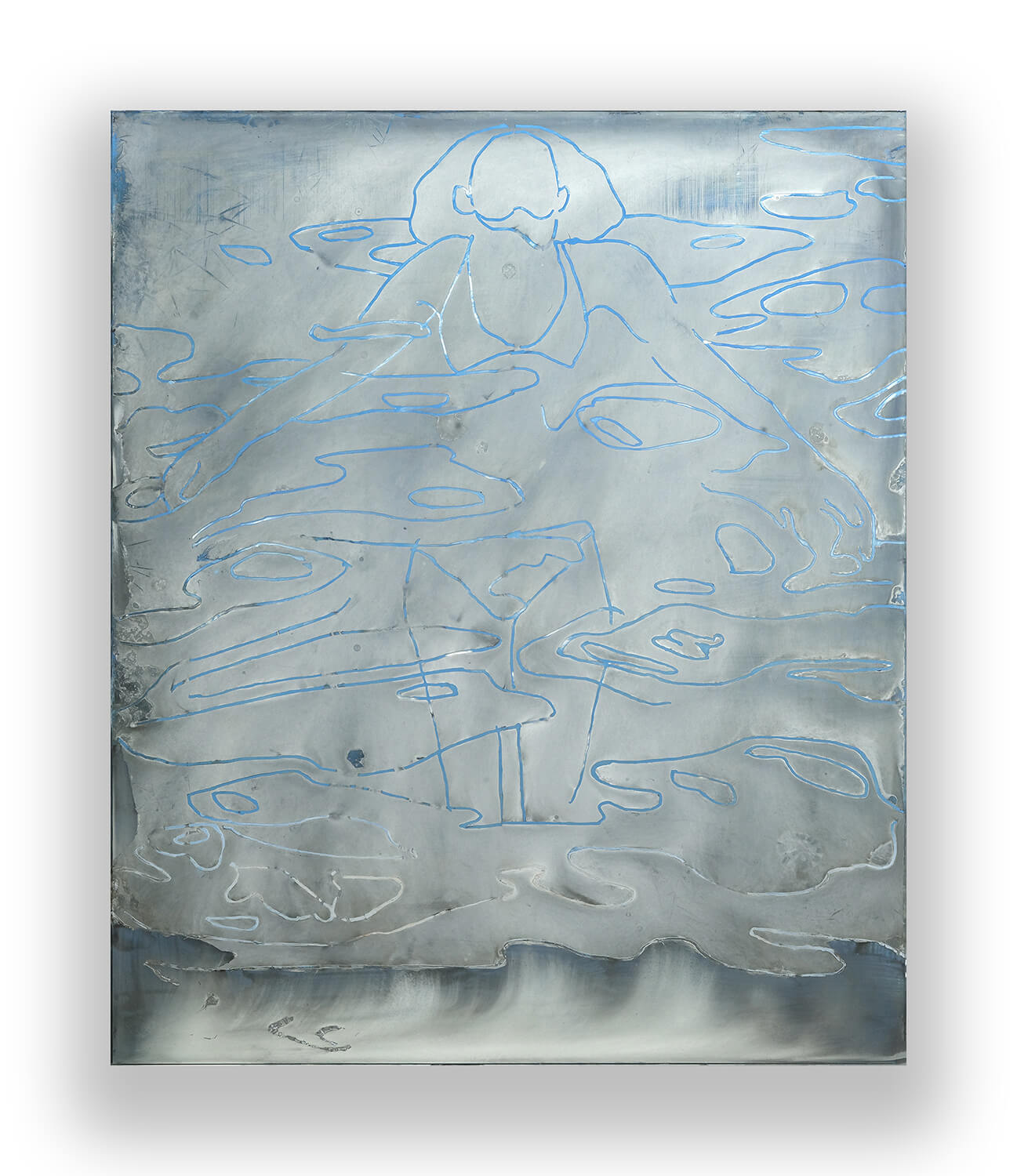
Tajh Rust
How to Disappear II, 2026
acrylic on silvered glass
36 x 30 in. (91.4 x 76.2 cm.)
Like painters Hernan Bas and Toyin Ojih Odutola, Rust creates figures between reality and fiction. Though the figures in this exhibition are drawn almost entirely from the artist’s imagination, their gestures and expressions convey authentic-feeling relationships with one another and with their environments. The exhibition charts a range of experiences, from solitary meditative moments in nature to a family with a young child on a beach to a party scene inside the chain-link fence of a backyard. Across these encounters, the central figures’ expressions remain peaceful.
Through fictional portraiture, Rust paints visually poetic scenes that encourage recognition of the fluid nature of identity, particularly in relation to the environment.
Press release by Kirsten Cave, adapted from the artist’s statement.
Tajh Rust (b. 1989, Brooklyn, NY) received an MFA from Yale University, School of Art and a BFA from The Cooper Union for the Advancement of Science and Art, New York, NY. Rust’s work has been shown at Palm Springs Art Museum, Palm Springs, CA; Matthew Brown Gallery, Los Angeles, CA; Harvey B. Gantt Center, Charlotte, NC; Kansas City Art Institute, Kansas City, MO; Institute of Contemporary Art Miami, FL; Mattatuck Museum, Waterbury, CT; and Museum of Contemporary African Diasporan Arts, Brooklyn, NY, among others. His work is included in the public collections of Beth Rudin DeWoody Collection, The Bunker Artspace, Miami, FL; and Institute of Contemporary Art, Miami, FL. He was an artist in residence at Silver Art Projects, New York, NY and a recipient of The Elizabeth Greenshields Foundation Grant, among other accolades. The artist lives and works in New York.
This exhibition follows Rust’s inclusion in the gallery’s group show A Direct Response to Light: 21st Century Painting (March 5-April 9, 2025), curated by Dexter Wimberly.
In concurrent exhibitions by Kevin McNamee-Tweed and Tajh Rust, we find two artists who keep looking and discovering, despite dark circumstances.
Both [of Tajh Rust’s] silvered glass paintings depict a linear silhouette of a figure that took a while to discern because the silvered glass reflects the room. I kept moving around in front of the work, trying to separate what was there from my reflection. Reinforced by the paintings’ titles, “How to Disappear I” and “How to Disappear II” (both 2026), the experience of trying to see something that kept eluding me felt like the subject of the work as well as the exhibition. In a cultural landscape saturated with racist tropes, is the individuality of Black people ever fully legible? In the current climate, it is a question that has no satisfactory answer because it assumes the “I” can see the “Other” with equanimity. It’s a shame that the poet Arthur Rimbaud’s equation, “Je est un autre” (I is another/someone else), is not widely embraced.
By elevating his figure so that we are looking up at him, and depicting two elongated clouds behind him, each extending from his shoulders, inviting us to read them as wings, Rust complicates our relationship. Combined with his paint handling and use of color, Rust’s undoing of the familiar relationship between viewer and subject is cause for celebration.
— John Yau