January 21-February 25, 2026
Alexander Berggruen is pleased to present Yoab Vera: Spirit of Hope — Sueños Diurnos. Our second solo show with the artist, this exhibition will open Wednesday, January 21, 2026 with a 5-7 pm reception at the gallery (1018 Madison Avenue, Floor 3, New York, NY).

Yoab Vera
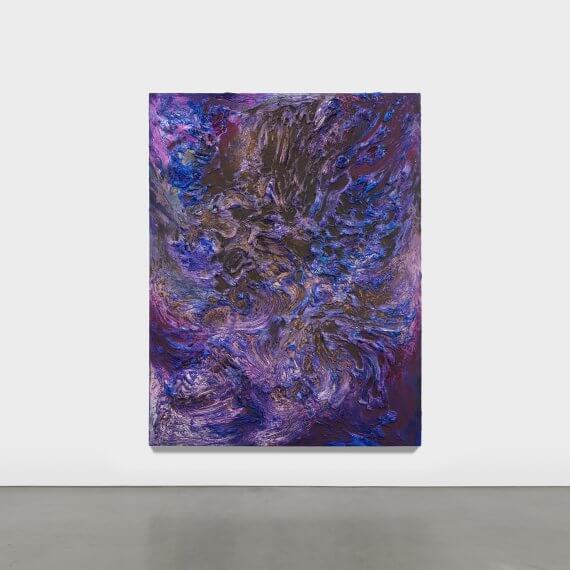
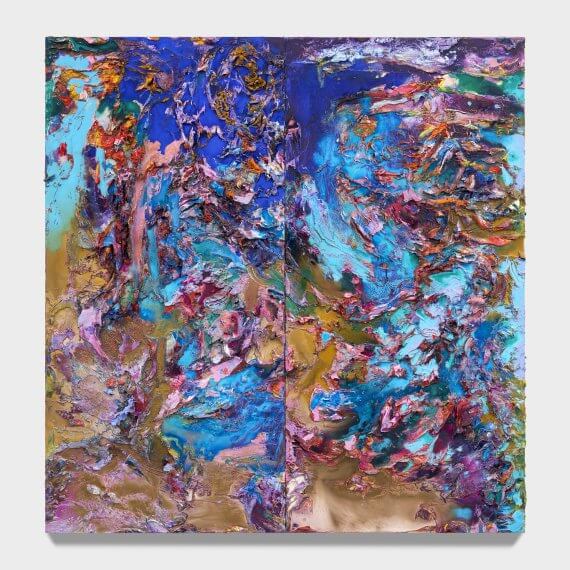
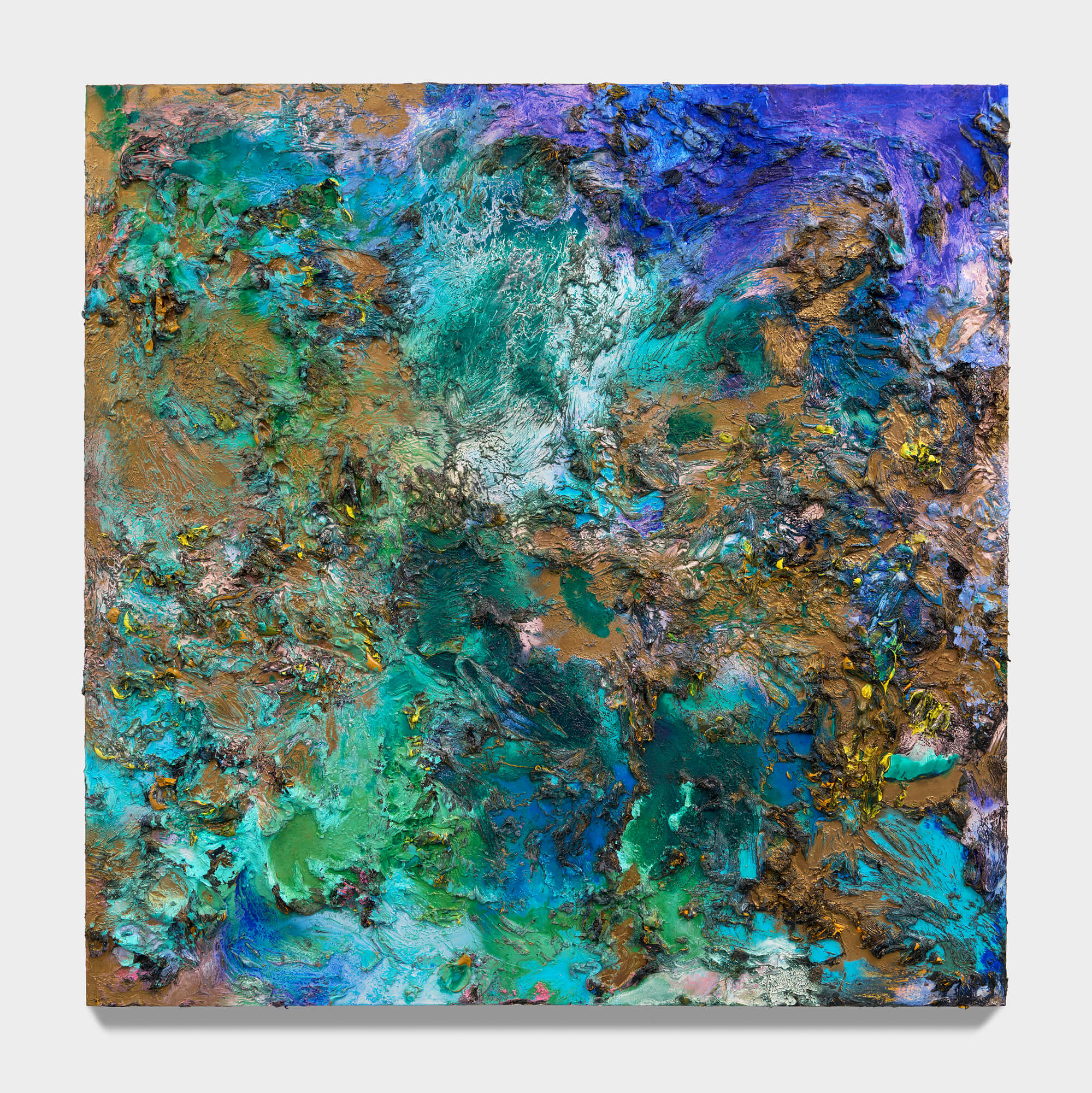
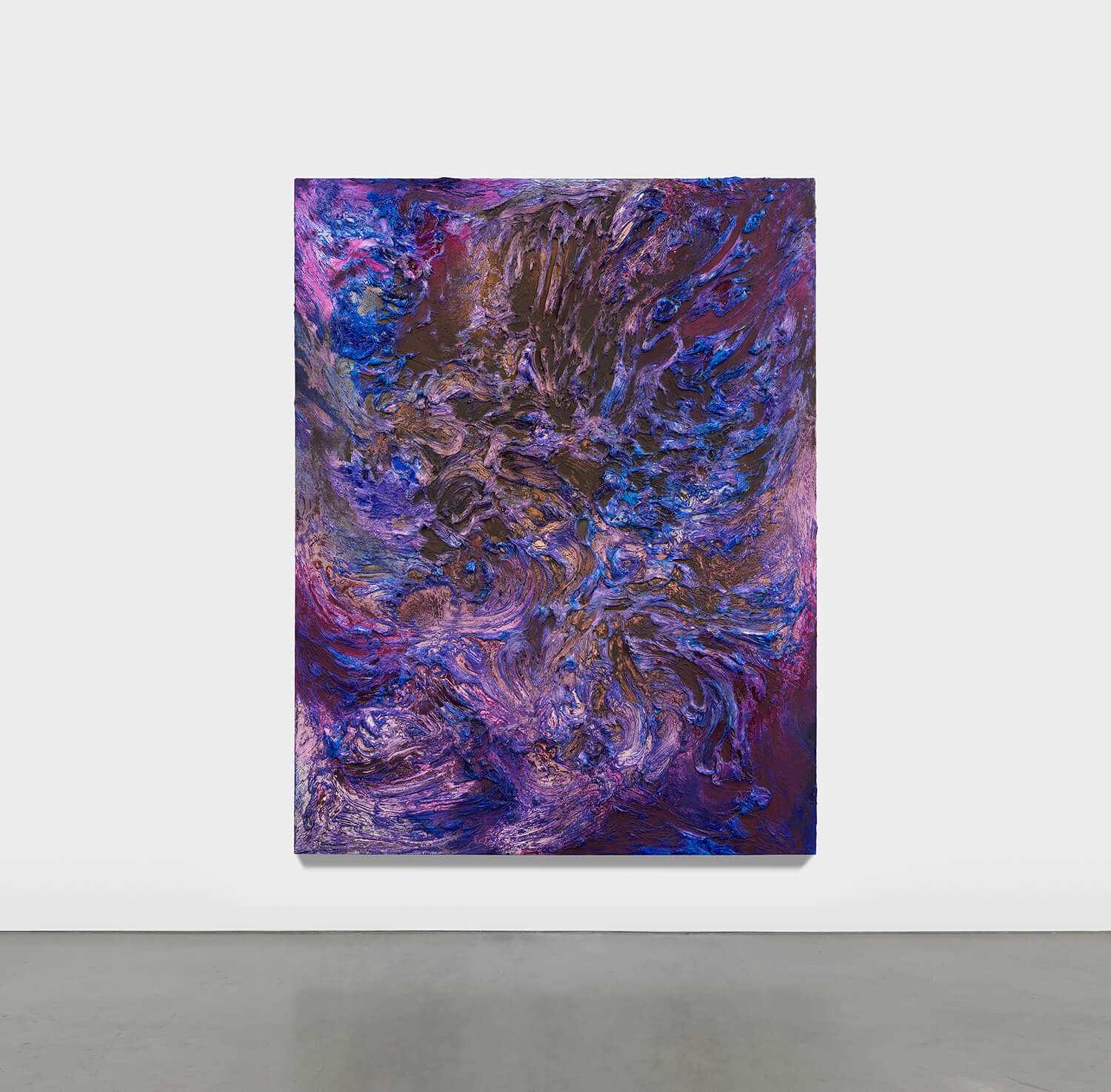
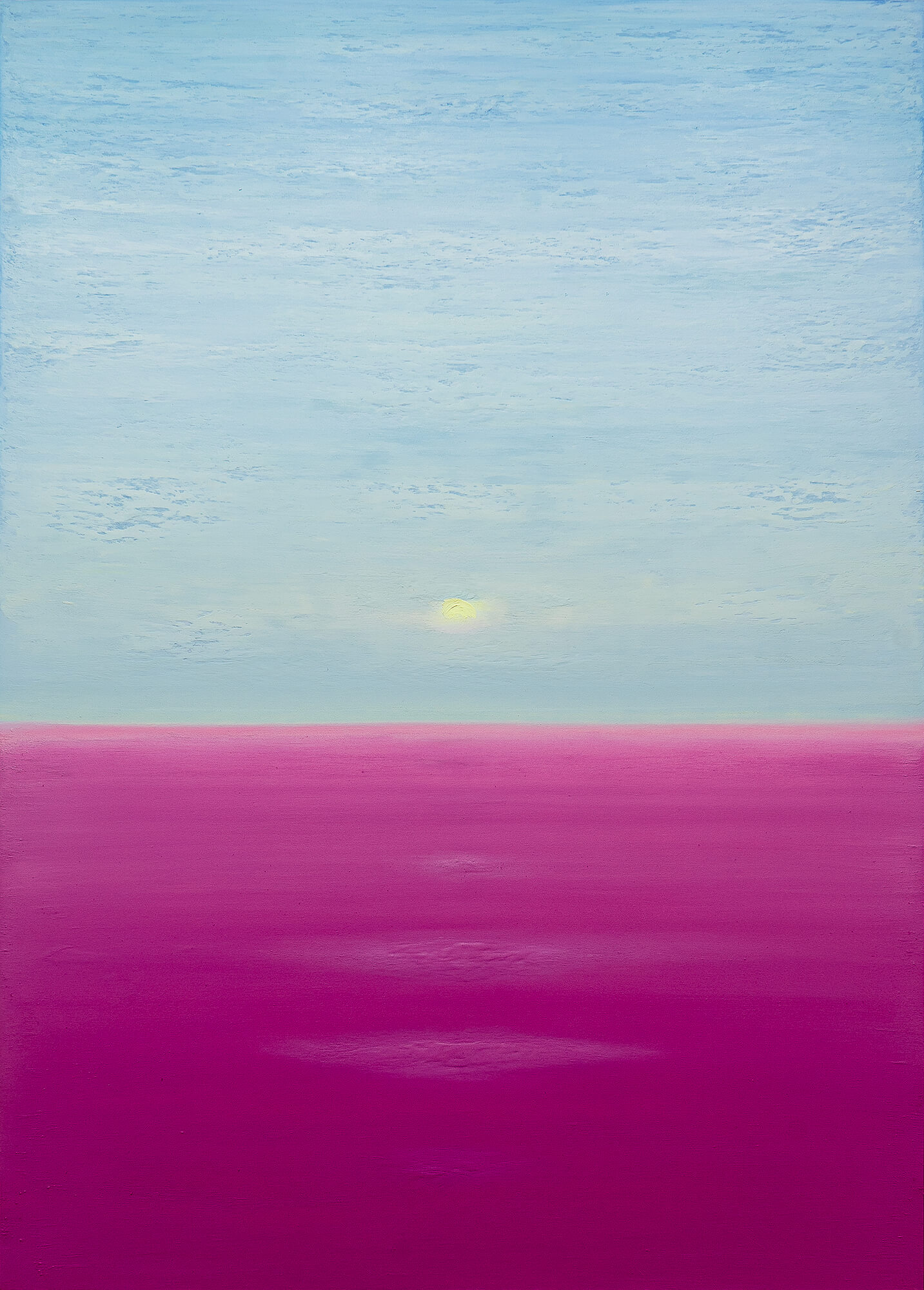
Sensing Horizons: ser libre como el mar; libre para amar, libre para soñar, 2025
oil, oil-stick, and concrete on canvas, framed
61 x 78 3/4 in. (155 x 200 cm.)
Thought is happiness, even where it defines unhappiness: by enunciating it. By this alone happiness reaches into the universal unhappiness. Whoever does not let it atrophy has not resigned.
— Theodor Adorno, “Resignation”
Painting, like all art, is a fundamentally hopeful activity. When true to its origin in the imagination—an intuitive reflection on the possibilities perceived in the world—painting participates in the process of transforming reality by expressing its need for change. Art is born from a lack, fixating on those aspects of life which, in the normal course of existence, do not count for much but can, within the scope of the artwork, be raised to the level of governing principles, as an ought freed from the reign of what is. “That is why,” as the exiled Trotsky once wrote to the critics of the Partisan Review from his refuge with Diego Rivera and Frida Kahlo (coincidentally in the same Mexico City neighborhood of Coyoacán where Yoab Vera produced the work for this show), “a protest against reality either conscious or unconscious, active or passive, optimistic or pessimistic, always forms part of a really creative piece of work.” Painting, in reproducing the world, in recapitulating experience and subjecting it to the strictures of form and the limitations of medium, yearns to make whole what has been broken and fractured. Art adds to the world out of a utopian urge. Its insular character is the form taken by the promise it holds: to make permanent a happiness that in life seems only to exist in the recollections of memory. What motivates art is the demand of love: the feeling that all should have a right to its warmth, each a place in its sun.

Yoab Vera
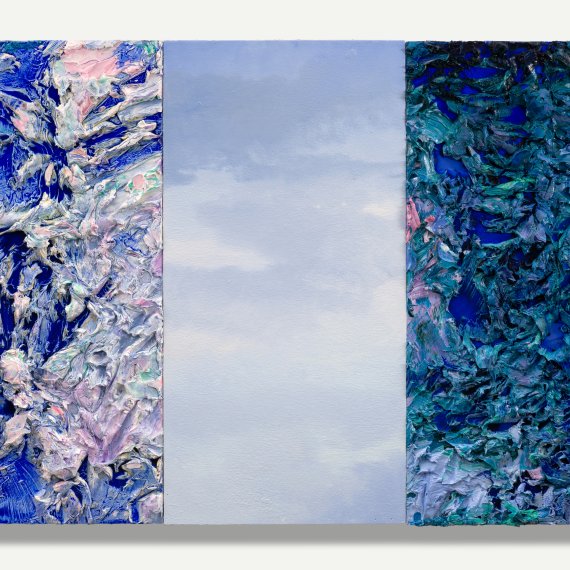
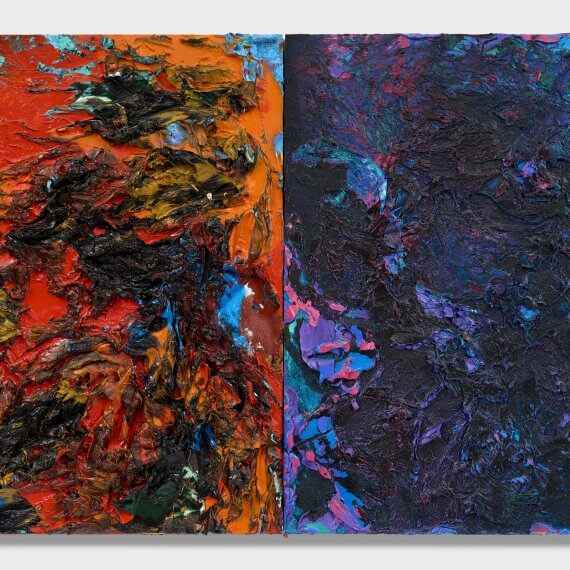
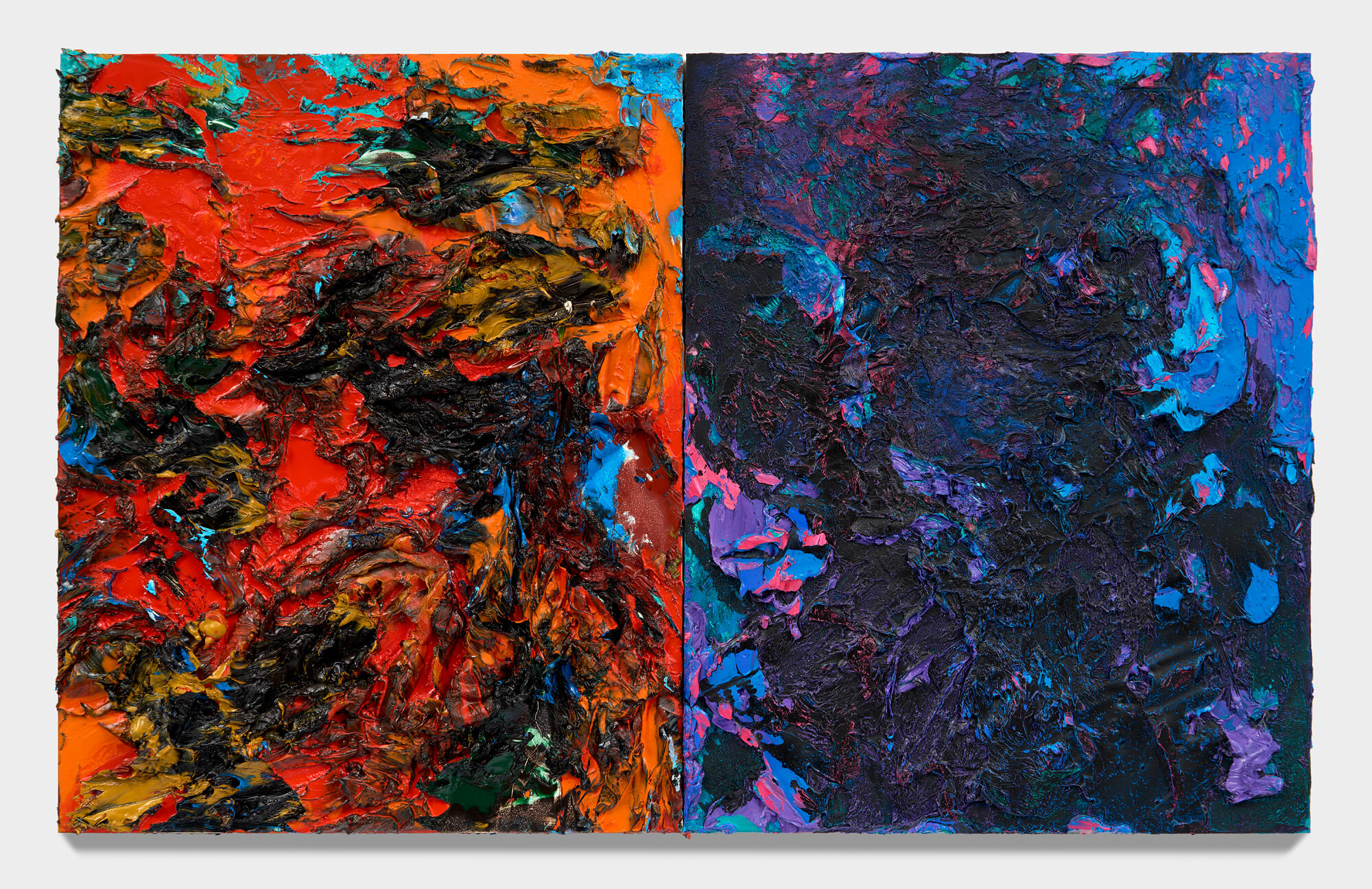
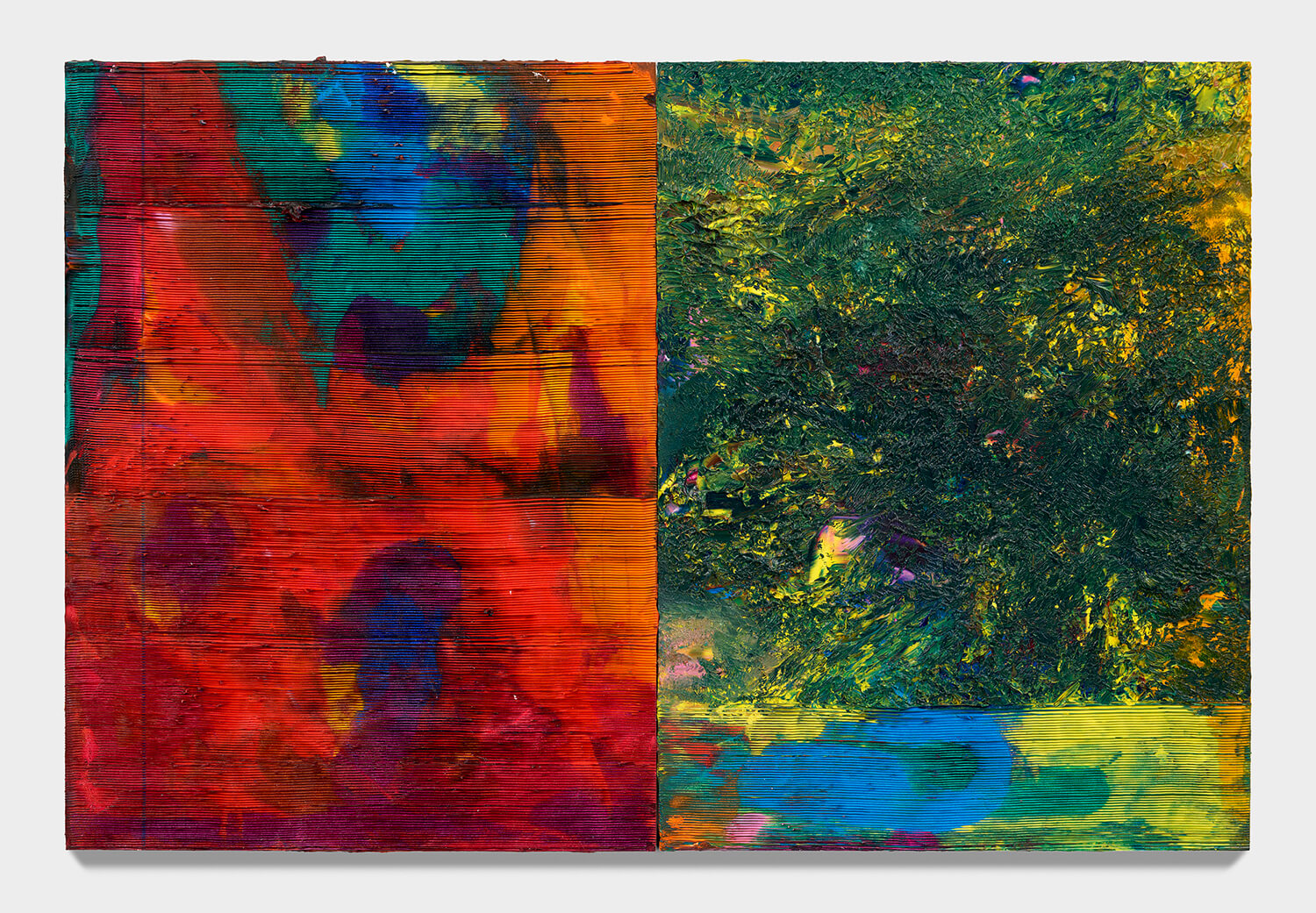
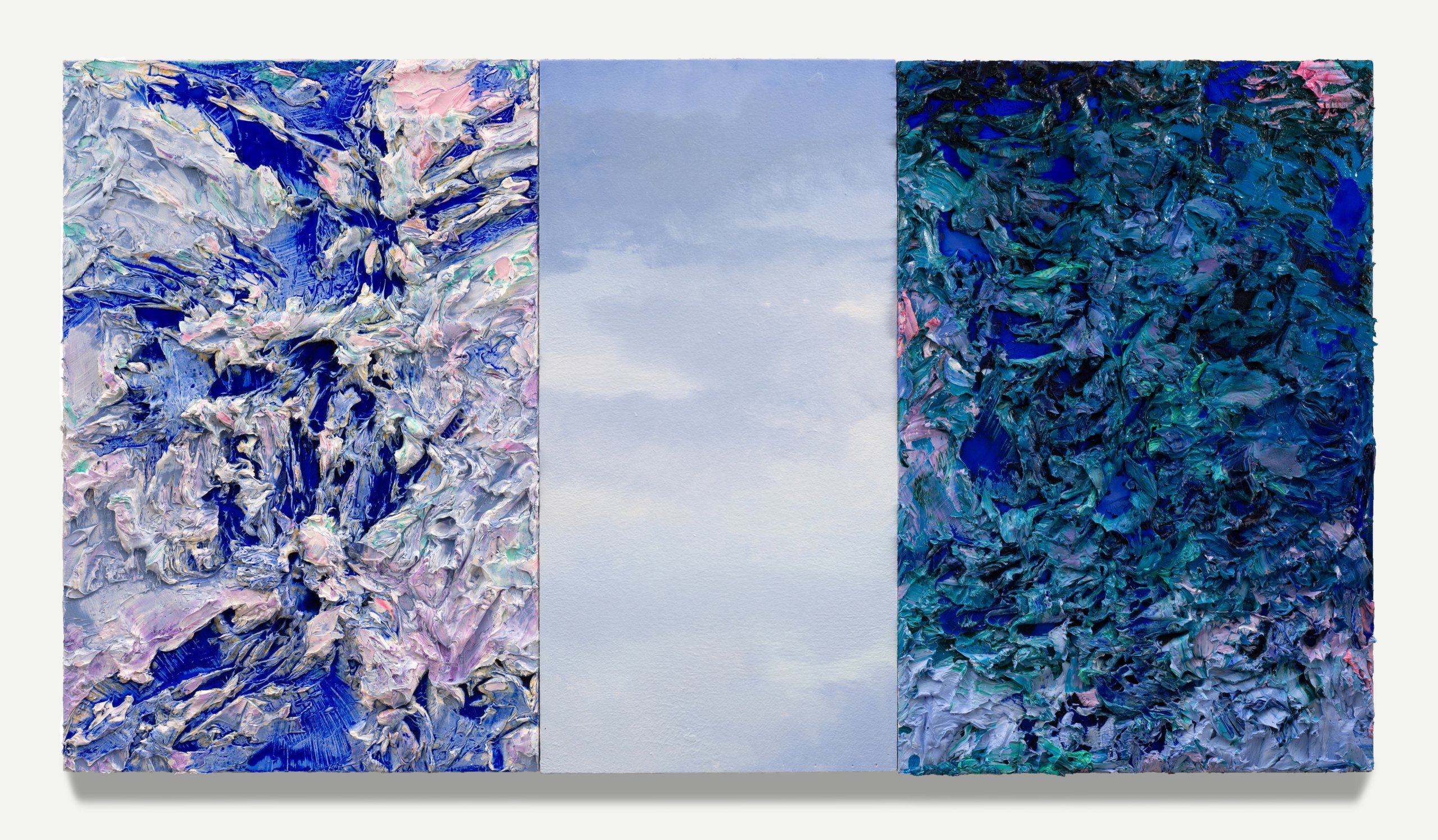
Semana Serenata: Sueños Diurnos, 2025
oil, oil-stick, and concrete on canvas, framed
overall: 7 7/8 x 68 7/8 in. (20 x 175 cm.)
each: 7 7/8 x 9 7/8 in. (20 x 25 cm.)
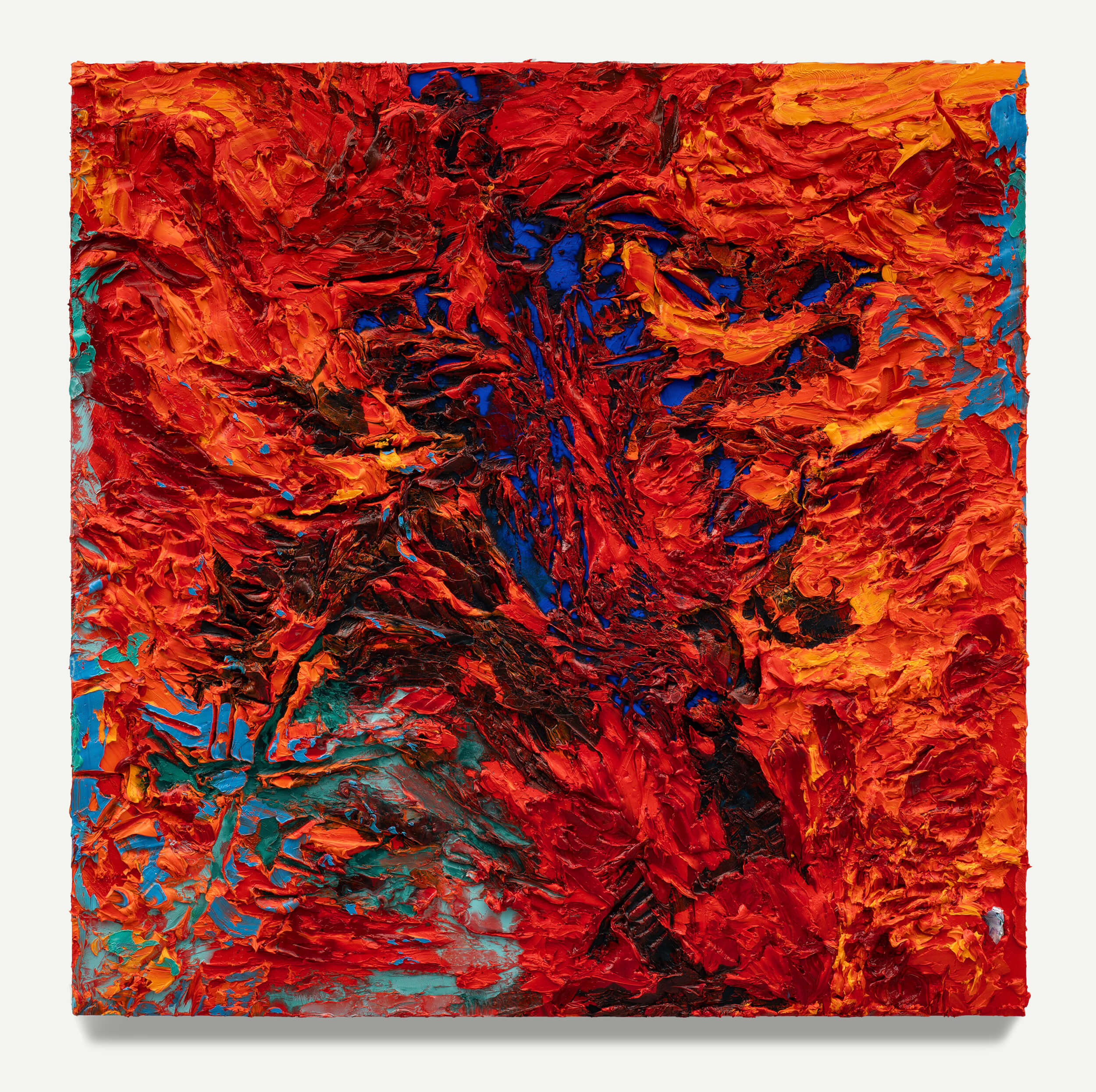
The horizon expresses the limits of vision, a mirage projected into the far distance of space, defining its edge as the point where the earth is forever destined to meet the sky. For Vera, the horizon symbolizes the open-endedness of experience. He relates it to the musical-poetic caesura, a pause or break in the lyric or song, here, the landscape, for accumulating what would otherwise slip away in the conventions of language, el sentido [the sense; direction; feeling] of what cannot be fully captured by concepts: the shadow of silence. Painting becomes a means, a form of meditation, for concentrating on the meaning that fills the gaps of silence that accompany the in-between moments of everyday life. Sweeping the canvas from left to right with a gesture that mimics the repetitive motion of reading or writing, or the troweling of concrete, Vera shapes the surface of his landscapes—fields of flowers, sunrises, sunsets—to record the evanescent suggestions that make an impression on a mind sensitized to the dim light of contemplation. In his notes he writes that, “the first decisive gesture on the canvas is the height of the horizon. Once that line is drawn, the surface opens.” The horizon is an invitation to the viewer’s imagination. In a practical sense, it offers the eyes a place to rest, a focal point from which to embark on the journey of looking and a constant that one can return to, a measure by which to grasp the vision that unfolds, much how the initial theme of a sonata is what defines, by comparison, the musical modulations that make up its form. The horizon is an infinitely malleable metaphor, a vessel for humanity’s dreams.

Yoab Vera
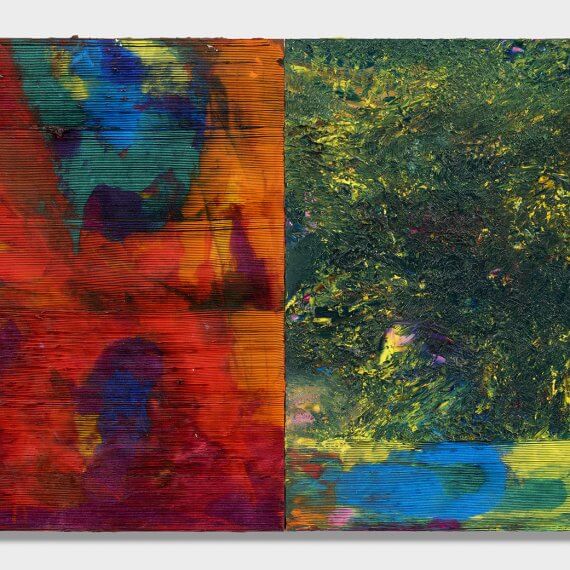
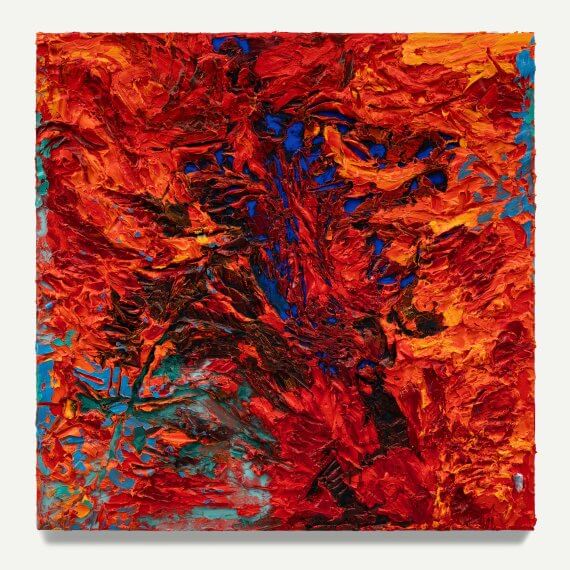
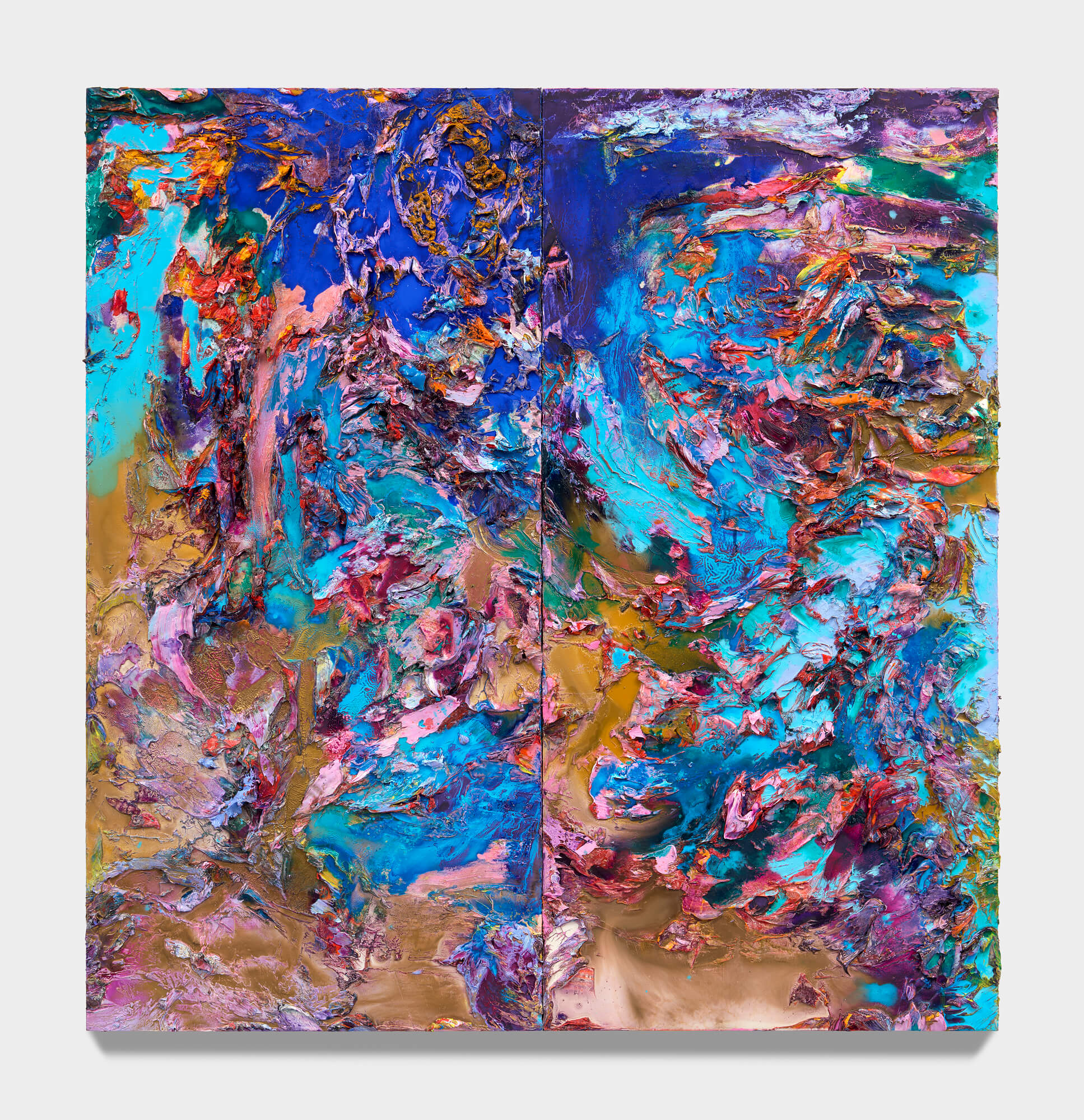
Spirit of Hope: sintiendo el latir del momento (Autumn Equinox), 2025
oil, oil-stick, and concrete on canvas, framed
70 7/8 x 51 1/8 in. (180 x 130 cm.)
The cement that Vera incorporates into the canvas of his paintings acts as both a contrast to the ethereality of his images and as a reminder of the built environment: the architecture through which the aspirations of society are made concrete. The colors that repeat throughout the exhibition are drawn from the streets of Coyoacán that Vera wandered in childhood and adolescence, learning to pay attention to how shifting qualities of light correspond to changes in one’s perception of color, how these modulations form a rhythm as one moves through space, and how this rhythm finds resonance in the fluctuations of feeling. Conceptually, as a ground for painting cement emphasizes the worldliness of art as a practice, as a form of labor. It serves as a reminder that the spiritual realm of thought cannot be divorced from the task of living—that ultimately, however opposed they might appear, matter and mind are one and the same: the cosmos is both without and within.

Yoab Vera
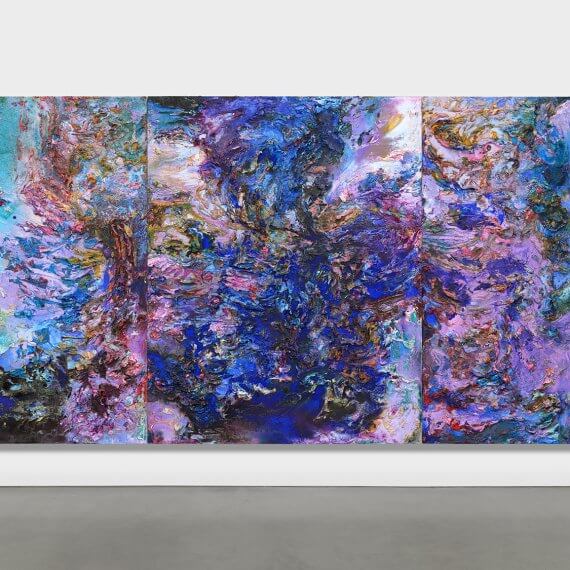
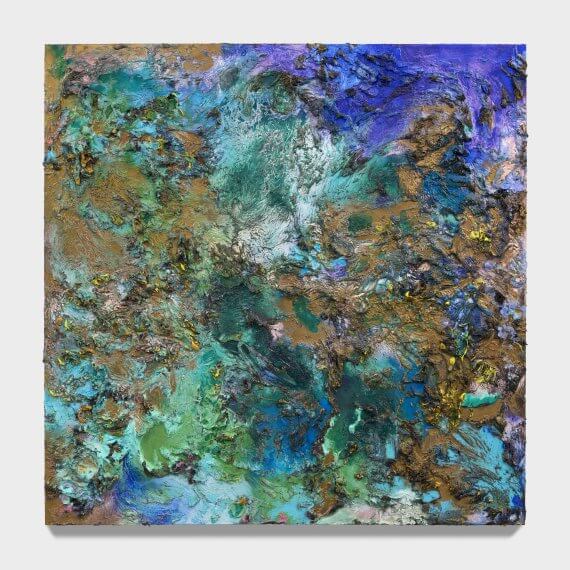
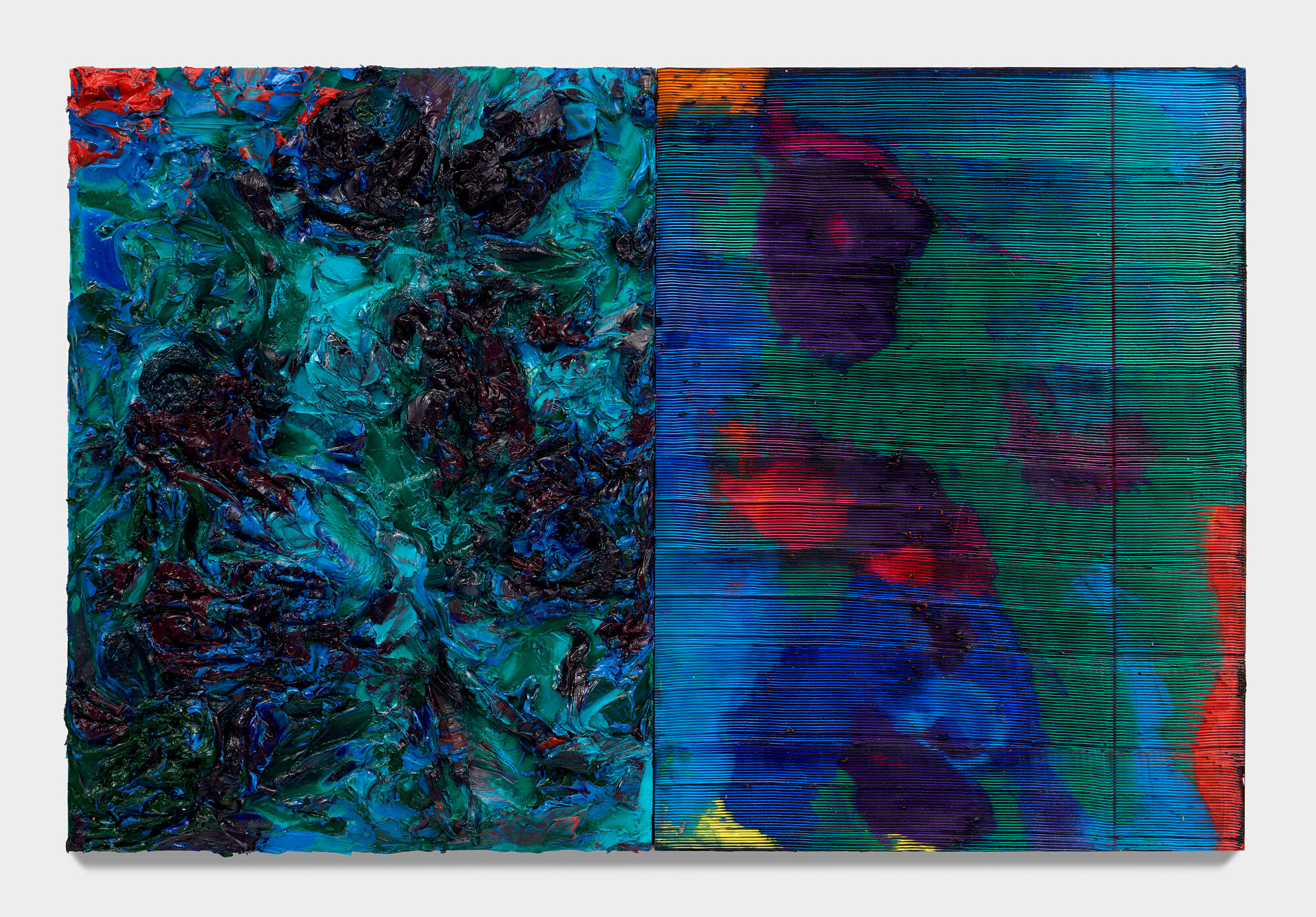
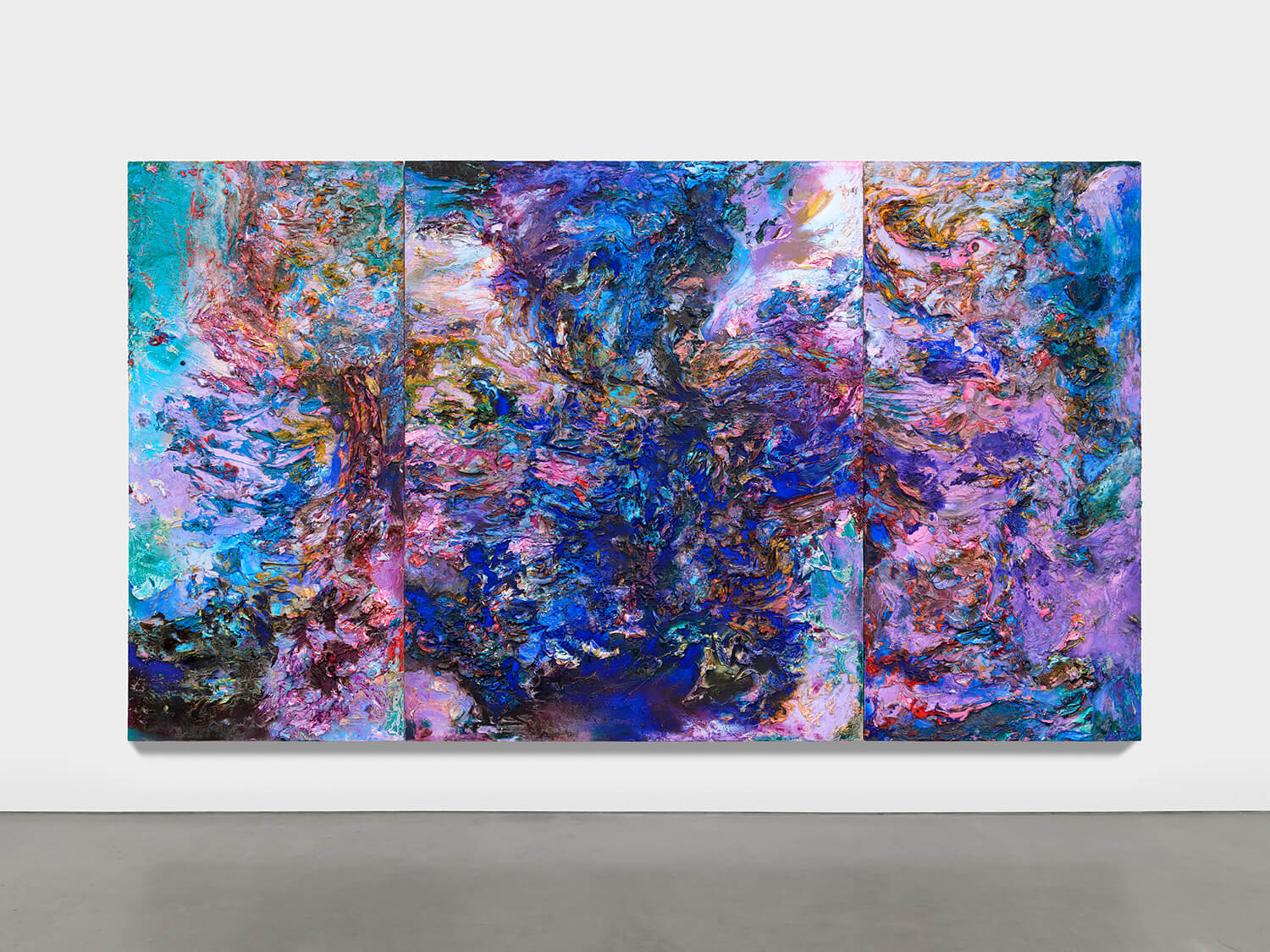
Temporal Horizons: gracias a la vida, 2025
oil, oil-stick, and concrete on canvas, framed
51 1/8 x 70 7/8 in. (130 x 180 cm.)
Vera’s process reflects this dialectic. He works in a meditative state, distanced mentally from his immediate surroundings. This is coupled with an extremely tactile approach—pushing oil sticks across the face of the canvas, spreading the pigment by hand, rubbing it into crags of the surface—that brings him as close to the painting as physically possible, as if he could thereby extend the reach of his touch. And, in a sense, he can. His process results in a temporal compression that unites disparate moments in time to establish a relationship within the material of the painting itself between the world, artist, and viewer. To catch the natural movement of light in the studio, Vera builds up the surface. The artist’s hand follows the light’s path to compose an image informed by the memories associated with this kind of light. These marks are offered to be re-traced by the gaze of the viewer, whose own thought combines with the work and becomes a part of its meaning.
Spirit of Hope — Sueños Diurnos is a visual score which the act of viewing performs.
Press release by Patrick Zapien, December 2025.

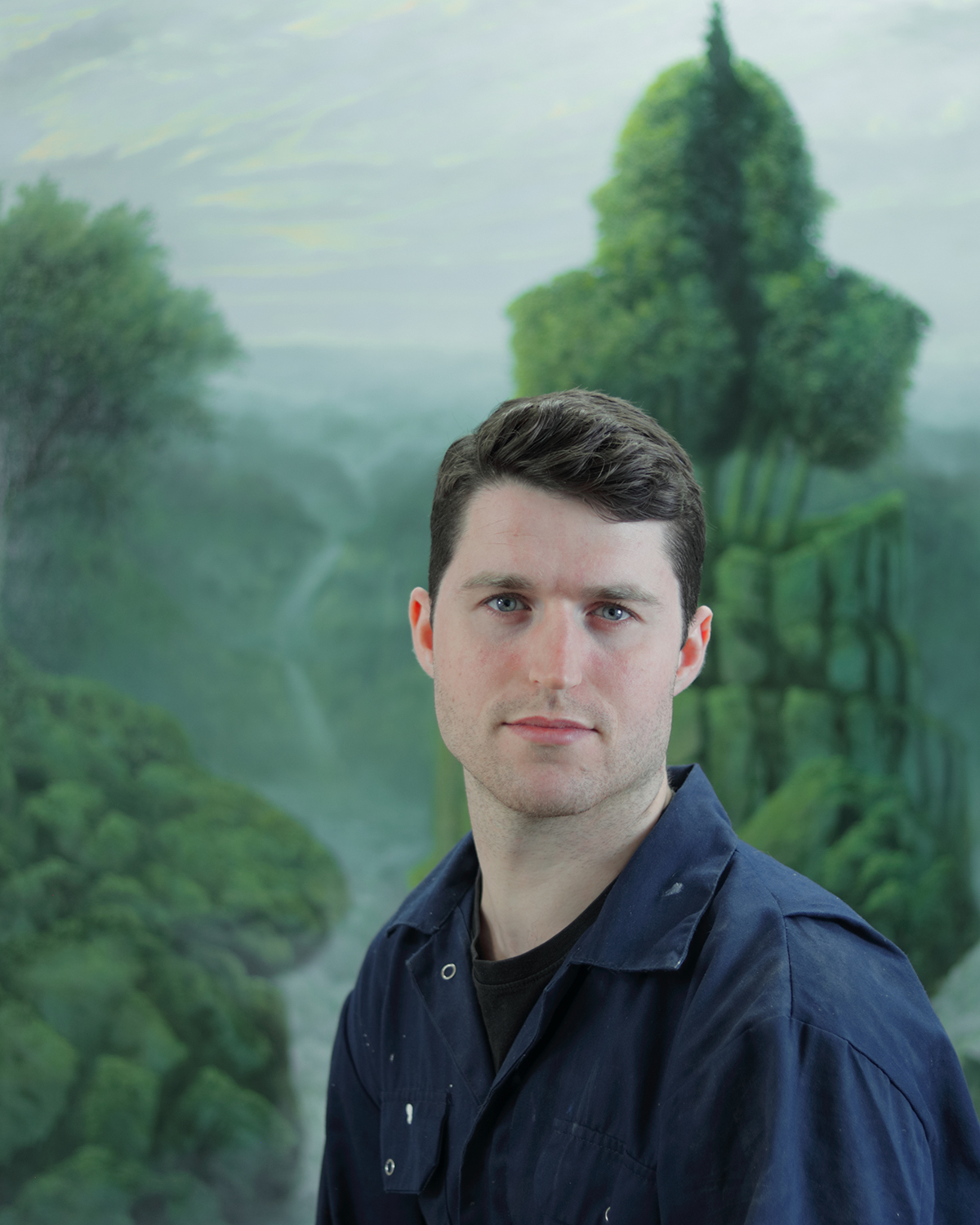
Yoab Vera in the studio, Mexico City, 2025.
Yoab Vera (b. Mexico City, 1985) received an MFA from University of California Los Angeles (UCLA), where he also studied meditation practices at the Mindfulness Awareness Research Center in the Semel Institute for Neuroscience and Human Behavior. He graduated with a BA in Studio Art and Art History with a concentration in Latin American Art from Hunter College, New York, NY, and studied Architecture in Mexico City at Universidad Nacional Autónoma de México (UNAM). His work has been exhibited at Casa Gilardi, Mexico City, MX; Alexander Berggruen, New York, NY; Casa MB, Milan, IT; El Castillete, Madrid, ES; Andrea Festa, Rome, IT; Make Room, Los Angeles, CA; Saenger Galería, Mexico City, MX; CFHILL, Stockholm; and GAVLAK Gallery, Los Angeles, CA; among others. Vera has held residencies at Duplex AIR, Lisbon, PT; El Castillete, Madrid, ES; Roman Road, Berlin, DE; and Fresco and Vernacular Architecture Painting School, Oaxaca City, MX. He was awarded the New York Community Trust Award in Painting and Poetry and has also received awards from the Fundación Jumex Arte Contemporáneo in Mexico City. The artist lives and works between Mexico City and Istanbul.
The exhibition follows the artist’s first solo show at the gallery Yoab Vera: Reminiscence — Contigo Aprendí (July 10-August 22, 2024). Alexander Berggruen represents the artist.